This is one of those questions that sounds simple, but the real answer is usually, well… it depends. Not in a wishy washy way. More like, it depends on what your warranty actually says, what kind of roof you have, and who’s doing the cleaning.
Because here’s the thing.
A roof warranty is basically a contract. And most of them are packed with conditions. Some are reasonable. Some feel like they were written to make sure you never qualify for coverage in the first place.
So let’s walk through it in plain English.
And yeah, we’ll talk specifically about soft washing. What it is, why it’s generally the safest roof cleaning method, and the exact situations where it could still cause warranty issues if it’s done wrong.
First, what “voiding” a roof warranty really means
When people say “void my warranty,” they usually mean one of two things:
- The manufacturer won’t cover a defect because they say the roof was damaged by cleaning or improper maintenance.
- The installer won’t honor their workmanship warranty because someone altered the roof system or caused problems after the install.
Most roof warranties have language like:
- “Improper maintenance voids coverage”
- “Use of unauthorized chemicals voids coverage”
- “Damage from pressure washing is not covered”
- “Algae or staining is cosmetic and not a defect”
So it’s not that soft washing magically voids anything the moment water touches your shingles. It’s more that if the cleaning method causes damage, or if it violates a written requirement, the manufacturer can deny a claim later.
That’s the practical risk.
What soft washing is (and what it is not)
Soft washing is a low pressure cleaning method that uses a roof safe cleaning solution to break down organic growth like:
- algae (that black streaking you see everywhere in Florida)
- mold and mildew
- lichen
- moss (less common in Naples, but still happens)
Then it’s gently rinsed off. Low pressure. No blasting.
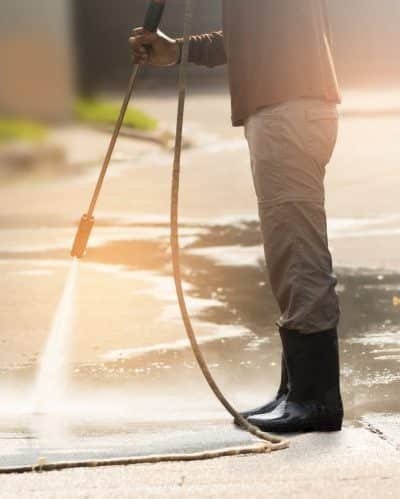
Soft washing is not pressure washing your roof. Pressure washing uses high PSI water that can:
- strip granules off asphalt shingles
- lift shingle edges
- force water under the roofing system
- crack or shift tile
- damage underlayment, flashing, vents
Pressure washing is the method that shows up in warranty exclusions all the time. Soft washing, done correctly, is usually the opposite of that.
So will soft washing void your warranty?
Most of the time, no, soft washing does not automatically void your roof warranty.
But. There are a few common scenarios where it can create problems.
1. If the warranty specifically bans certain chemicals
Some manufacturers allow cleaning but restrict what you can use.
Example. Many asphalt shingle manufacturers don’t want harsh solvents, abrasive cleaners, or unapproved concentrations of chlorine bleach. Others may allow diluted sodium hypochlorite (the active ingredient in many roof cleaning mixes) as long as it’s used correctly and thoroughly rinsed.
If a contractor uses an overly hot mix, lets it dry on the roof, or kills landscaping and causes complaints, that’s when it gets messy.
Not because the idea of soft washing is bad. Because the execution was sloppy.
What to do: check your warranty paperwork for sections titled “Maintenance” or “Cleaning” or “Algae Removal.” If you can’t find it, call the manufacturer and ask what they allow on your exact product line.
2. If the roof is damaged by improper technique (even with “soft” pressure)
Soft washing uses low pressure, but you can still mess up a roof if you’re careless.
Things that can cause warranty arguments later:
- walking improperly on tile and cracking it
- disturbing ridge caps
- damaging flashing
- forcing water into vulnerable spots around penetrations
- using a pressure tip for “just a little extra” in problem areas
If damage happens, a manufacturer may say the issue wasn’t a defect, it was outside damage.
What to do: choose a company that focuses on roof cleaning specifically, not someone who mostly pressure washes driveways and “also does roofs.”
3. If your warranty requires “approved contractors” for any work
This one isn’t super common for cleaning, but it does pop up in certain systems, especially commercial, specialty roofs, or warranties that are tied to installer certification.
If the warranty says only certified contractors can perform maintenance, then yes, hiring a random person could technically violate that requirement.
What to do: read the fine print. If it mentions “authorized” or “certified” providers for maintenance, follow that.
4. If the roof type is delicate and needs a specific cleaning standard
Different roof materials, different rules.
Here’s the quick version:
- Asphalt shingles: often allow gentle cleaning, but no pressure washing. Chemical use may be allowed in specific dilution. Avoid abrasion.
- Concrete or clay tile: generally handles soft washing well, but walking on tile incorrectly is a big risk. Also watch for older brittle tile.
- Metal roofs: soft washing is usually safe, but you need to avoid damaging coatings and oxidation layers, and you have to rinse well.
- Flat roofs (TPO, modified bitumen, etc.): can be fine, but warranties often have very specific maintenance requirements.
So the method matters, but the roof type and warranty language matters too.
The bigger truth: algae stains are usually not covered anyway
This part surprises homeowners.
Those black streaks (usually Gloeocapsa magma, a type of algae) look awful. But in many warranties, algae staining is considered a cosmetic issue, not a manufacturing defect.
Some shingle lines have “algae resistant” warranties, but they often cover only the material, not the labor. And they still require proper maintenance.
So even if your warranty stays valid, it might not pay for anything related to staining.
Soft washing is often just the practical fix.
What manufacturers usually recommend (and why it sounds like soft washing)
Many major shingle manufacturers publish cleaning guidance that looks a lot like:
- apply an appropriate cleaning solution
- allow dwell time
- rinse gently with water
- do not use high pressure
- do not scrub aggressively
That’s basically soft washing, assuming the chemical is roof safe and the person applying it knows what they’re doing.
The roof cleaning industry didn’t invent this out of nowhere. It exists because high pressure cleaning caused too many problems.
How to protect your warranty before you get your roof soft washed
This is the part that saves you headaches later.
Step 1: Find your warranty document (or at least your shingle brand and model)
If you don’t know what you have, check:
- your closing documents (if you bought the home recently)
- your roofer invoice
- any leftover shingle bundles in the garage
- the underside of a shingle (sometimes stamped)
- your HOA or builder paperwork
At minimum, get the manufacturer name.
Step 2: Take “before” photos
Take clear photos of:
- the full roof from multiple angles
- close ups of stains and heavy growth
- flashing areas
- any existing cracks, lifted areas, missing tiles, etc.
Not because you’re expecting a fight. Just because if a warranty claim ever happens later, you’ll be glad you have a baseline.
Step 3: Ask the cleaning company what they use and how they rinse
You don’t need to interrogate anyone. Just ask:
- Do you use low pressure only?
- What solution do you use for roof algae?
- How do you protect plants and gutters?
- Do you rinse thoroughly?
- Do you have insurance?
A legit company will answer without getting weird about it.
Step 4: Keep the receipt and the scope of work
If you ever need to prove “routine maintenance was performed,” documentation helps. Even a simple invoice.
A Florida note, because Naples roofs get hit hard
Naples and the surrounding area, Bonita Springs, Estero, Marco Island, we get the perfect mix for algae growth: heat, humidity, long rainy season, and roofs that bake all day and stay damp at night.
So roofs stain faster here than in a lot of the country.
And when algae sits for years, homeowners get tempted to do the aggressive thing. Pressure washer. Surface cleaner. Scrubbing. That’s usually when damage happens.
Soft washing is popular in Florida for a reason. It’s the gentler approach that actually addresses the growth.
What we do at Naples Soft Wash Roof Cleaning (Wash and Glow)
At Naples Soft Wash Roof Cleaning (Wash and Glow), we clean roofs using a true soft wash process. Low pressure application, roof safe approach, and a focus on removing organic growth without beating up the roofing material.
We also offer a 2 year clean guarantee, which honestly just makes life easier. You get your roof looking right again, and you’re not stuck wondering if the stains are coming back next month.
If you’re in Naples or nearby and you want a quick quote, you can get one here: https://softwashroofcleaningnaples.com
Quick FAQ (the stuff people usually ask right after)
Does pressure washing void a roof warranty?
Often, yes. Or more accurately, it gives the manufacturer a very easy reason to deny a claim if they see signs of damage.
Is soft washing “manufacturer approved”?
Sometimes explicitly, sometimes indirectly. Many manufacturer cleaning guidelines align with soft washing methods. The safe move is to check your specific warranty language.
Can I soft wash my roof myself?
You can, but it’s risky. Chemical handling, ladder safety, overspray, and the chance of using the wrong mix. Most DIY roof cleaning issues come from over strong solutions or poor rinsing.
How often should a roof be soft washed in Florida?
It varies. Sun exposure, tree cover, roof pitch, and ventilation all change the timeline. But in Southwest Florida, many homeowners end up doing it every couple of years to keep staining under control.
Bottom line
Soft washing typically does not void your roof warranty.
But using the wrong chemicals, applying them wrong, walking and working on the roof carelessly, or ignoring specific warranty requirements absolutely can create problems later. For instance, if you notice moss on your roof, it could lead to more serious issues if not addressed promptly.
So the goal is simple. Follow the warranty language. Use a roof cleaning method that’s low pressure and roof safe. Document the work.
And if you want someone local who does this every day, you can check out Wash and Glow here: https://softwashroofcleaningnaples.com
FAQs (Frequently Asked Questions)
Does soft washing automatically void my roof warranty?
No, soft washing does not automatically void your roof warranty. Most warranties allow cleaning as long as it is done correctly and does not cause damage or violate specific chemical restrictions outlined in the warranty terms.
What is the difference between soft washing and pressure washing my roof?
Soft washing uses low pressure and roof-safe cleaning solutions to gently remove algae, mold, moss, and mildew without damaging roofing materials. Pressure washing uses high PSI water that can strip granules, lift shingles, force water under roofing systems, and cause damage, which often leads to warranty exclusions.
Can using certain chemicals during soft washing void my roof warranty?
Yes, if your roof warranty specifically bans certain chemicals or concentrations—such as harsh solvents or unapproved bleach mixtures—using them during cleaning can void coverage. Always check your warranty’s ‘Maintenance’ or ‘Cleaning’ sections or contact the manufacturer for approved cleaning agents.
How can improper soft washing techniques affect my roof warranty?
Even with low pressure, careless techniques like walking improperly on tiles, damaging flashing, disturbing ridge caps, or using higher pressure tips can cause physical damage. Such damage may lead manufacturers to deny claims by classifying issues as outside damage rather than defects.
Does hiring an unauthorized contractor for roof cleaning impact my warranty?
In some cases, yes. Certain warranties require maintenance work to be performed by authorized or certified contractors. Hiring someone who isn’t approved could technically violate these terms. Always review your warranty fine print for any contractor requirements before proceeding.
Are there specific considerations for different roof types when soft washing?
Absolutely. Asphalt shingles typically allow gentle cleaning but prohibit pressure washing and restrict chemical use. Concrete or clay tiles handle soft washing well but require careful walking to avoid cracking. Metal roofs need protection of coatings and thorough rinsing. Flat roofs often have very specific maintenance rules that must be followed to maintain warranty coverage.