Roof stains are one of those things you don’t really notice… until you do. And then you can’t unsee them.
In Southwest Florida, it usually starts as a faint dark smudge. Then it spreads. Next thing you know, the roof looks “dirty” even if the house is spotless. Neighbors notice. Realtors notice. And yes, HOAs definitely notice.
If you’re in an HOA community in Naples, Estero, Bonita Springs, or Marco Island, roof staining is not just a cosmetic issue. It often turns into a compliance issue, a deadline, and a letter that says something like “this must be corrected within X days.”
So let’s talk about what HOA rules typically require for roof stains, what the letters usually mean, and how to fix it without accidentally making the problem worse.
What are “roof stains” in Florida, actually?
Most homeowners assume roof stains are dirt, or mold, or maybe “just age.”
In Florida, the most common cause is Gloeocapsa magma, a type of blue green algae that shows up as dark streaks. It thrives in humid, warm climates. So… yeah. Naples is basically a spa day for it.
You can also see:
- Mildew or mold in shaded areas (especially under tree cover)
- Lichen (crusty spots that hold on tight)
- Black streaking that starts near the ridge and runs downward
- Rust stains from flashing or metal components (less common, but it happens)
The important part for HOA purposes is this: they usually don’t care what it is. They care that it looks stained from the street.
Why HOAs care so much about roof staining
HOAs aren’t just being picky for fun. Roof stains affect a few things they’re legally and financially motivated to protect:
- Curb appeal and property values
- Uniform appearance standards (their favorite phrase)
- Perceived maintenance of the community
- Future resale friction when buyers see “neglect”
And roof stains are easy to spot from the road. That’s the whole issue.
Also, Florida HOAs tend to be more active because communities turn over often, there are lots of seasonal residents, and boards want everything looking “kept up” even when owners are away.
However, navigating the rules set by HOAs can be tricky. It’s important to understand both the benefits and risks associated with these associations, especially when it comes to maintaining your property according to their standards. This article provides valuable insights into that.
What HOA rules typically say about roof stains (and how they word it)
Every HOA is different. Some have detailed architectural guidelines. Others are vague on purpose. But roof stain requirements usually show up in one of these places:
- Covenants, Conditions, and Restrictions (CC&Rs)
- Architectural Review Guidelines
- Property Maintenance Standards
- Rules and Regulations or community handbook
And the wording usually falls into a few patterns:
1) “Roofs must be maintained in a clean condition”
This is the broad one. It gives the HOA power to decide when “clean” becomes “not clean.”
2) “No visible staining, streaking, or discoloration”
This is more specific and the easiest for them to enforce because it’s visual.
3) “No mold, mildew, algae growth, or organic growth”
Sometimes they name it outright.
In addition to roof maintenance, HOAs also impose certain landscape maintenance tips that homeowners need to adhere to for maintaining the overall aesthetic and value of the community.
4) “Home exterior must be free of unsightly conditions”
This is the catch all. Roof stains often get filed under “unsightly.”
If you’ve gotten a violation letter, it probably quoted one of these lines.
The violation letter: what it usually means (and what to do first)
Most HOA compliance letters follow a familiar script:
- “We observed…”
- a photo of your roof
- a rule reference
- a deadline
- and a warning about fines or further action
Here’s what you should do before you panic clean the roof:
- Check the deadline and any reinspection date
Sometimes you have 15 days. Sometimes 30. Sometimes it’s “cure within 10 days” which is… aggressive. - Look for restrictions on cleaning methods
Some HOAs ban pressure washing. Some require licensed contractors. Some require you to protect landscaping. It varies. - Ask if approval is needed
Usually cleaning does not require architectural approval, but I’ve seen communities that want notice or contractor info. - Take your own photo evidence
Not because you’re going to argue. Just because it’s smart to document before and after. This matters if the HOA says “not fixed” later.
The big mistake: pressure washing a roof to satisfy an HOA
This happens all the time. A homeowner receives a letter from their HOA. In a rush to comply, they hire someone cheap who climbs up and pressure washes the shingles or tile like it’s a driveway.
While it may look better for a month, the consequences of such an action can be severe:
- granule loss on shingles
- damaged underlayment risk
- broken tiles
- water intrusion
- algae returning faster due to the surface being roughened up
Now, not only do you have an HOA problem, but you’ve also potentially destroyed your roof in the process.
HOAs typically want a clean roof, but they usually do not want you to damage the roof in order to achieve that.
What most HOAs prefer (even if they don’t say it): soft washing
Soft washing is a low pressure roof cleaning method that uses a roof safe cleaning solution to kill algae and lift stains without blasting the surface.
This method is particularly relevant in Naples where many homes have:
- concrete or clay tile roofs
- architectural shingles
- delicate ridge caps and flashing
- expensive landscaping that’s easily damaged
A proper soft wash job focuses on killing the organic growth first, then rinsing gently. It’s not about sanding the roof with high water pressure; instead, you’re treating it.
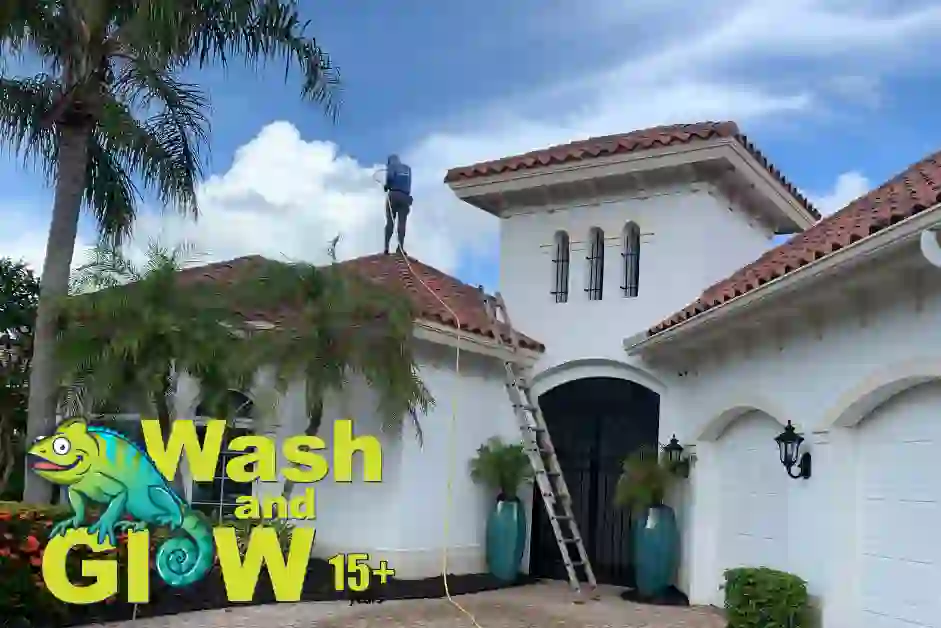
If you’re curious about what this process looks like locally, Wash and Glow (Naples Soft Wash Roof Cleaning) provides detailed explanations on their site and offers fast quotes here:
https://softwashroofcleaningnaples.com
Common HOA requirements around roof cleaning (yes, even beyond stains)
Some HOAs add extra rules that catch people off guard. Things like:
Approved vendors or insurance requirements
They might require any contractor to provide proof of:
- general liability insurance
- workers comp (or exemption)
- local business licensing
“No chemicals” clauses (that are misunderstood)
Sometimes the HOA says “no harsh chemicals” or “no harmful runoff.” That doesn’t mean you can’t soft wash. It means they don’t want landscaping damage or overspray.
A professional soft wash company should be pre wetting plants, protecting sensitive landscaping, and managing runoff responsibly.
Time of day and noise restrictions
Not super common for roof cleaning, but possible. Especially in gated communities.
No visible equipment left overnight
If your contractor stages ladders or hoses, HOAs sometimes complain. Sounds silly. It happens.
How clean is “clean enough” for an HOA?
This is a sneaky question because HOAs don’t always define it. They usually just want the staining gone to the point that it no longer reads as “dirty” from the street.
In practice, that means:
- dark streaks significantly reduced or removed
- no patchy areas that look neglected
- consistent appearance across the roof plane
One thing to know. On some older roofs, you can remove the algae but still see faint shadowing or unevenness from age. A good contractor will set expectations up front so you’re not promising the HOA something unrealistic.
If your roof is near end of life, sometimes the HOA is basically pushing you toward replacement without saying it out loud. Not always, but sometimes.
If your HOA gives you a short deadline, here’s how to move fast
If you’ve got two weeks to fix it, don’t overcomplicate this.
- Book a roof cleaning estimate immediately
- Send the HOA proof you scheduled service (email is fine)
- Ask for an extension if needed and attach the appointment date
- After cleaning, send before and after photos
Most HOAs are reasonable if they see you’re actively handling it. They mainly don’t want to be ignored.
Wash and Glow is a local Naples area option if you want something simple, quick, and familiar with Florida roof staining. They also advertise a 2 year clean guarantee on their roof cleaning service, which is honestly helpful when you’re trying to stay off an HOA’s radar long term.
https://softwashroofcleaningnaples.com
Will roof stains come back even after cleaning?
Yes. Eventually.
Florida is humid, algae is airborne, and roofs don’t stay perfect forever. The real difference is how fast it comes back and how evenly.
With proper soft washing, you’re killing the algae at the root level, not just lightening the surface. That typically buys you a longer clean period compared to a quick rinse or high pressure blasting.
And from an HOA standpoint, the goal is usually simple. Stay clean enough that you don’t get the letter again next season.
A few questions HOAs and homeowners both ask
“Can I do it myself?”
Some people do. But roofs are risky, chemicals can be mishandled, and DIY setups often don’t apply the solution evenly. Also, if you damage the roof, you’re on the hook.
If you’re in an HOA, it’s usually easier to hire it out, document it, and move on with life.
“Does the HOA pay for roof cleaning?”
Almost always no, if you own the home and the roof is your responsibility. In condos or some townhome communities, the association might handle roof maintenance. Check your documents.
“What if I ignore the violation?”
Typical escalation looks like: warning, reinspection, fine, then possibly lien or legal action depending on the HOA and your governing documents.
Not worth it.
The simple takeaway
HOA rules about roof stains are basically about one thing. Visible discoloration that makes the home look unmaintained.
If you’re seeing black streaks, algae staining, or patchy dark areas, there’s a decent chance your HOA will eventually flag it. Especially in Naples area communities where boards are pretty active and curb appeal standards are… high.
If you already got the notice, the fastest clean solution is usually a professional soft wash roof cleaning so you can meet the HOA requirement without damaging the roof.
If you want a local quote and a straightforward process, you can check out Naples Soft Wash Roof Cleaning (Wash and Glow) here:
https://softwashroofcleaningnaples.com
And then you can stop thinking about roof stains for a while. Which is the whole point.
FAQs (Frequently Asked Questions)
What causes roof stains in Southwest Florida and why do they appear?
In Southwest Florida, roof stains are primarily caused by Gloeocapsa magma, a type of blue-green algae that thrives in the region’s warm, humid climate. These stains often start as faint dark smudges and spread over time, leading to visible dark streaks on roofs. Other causes include mildew or mold in shaded areas, lichen growth, and occasionally rust stains from metal components.
Why do Homeowners Associations (HOAs) in Florida care about roof staining?
HOAs care about roof staining because it impacts curb appeal, property values, and the uniform appearance standards of the community. Stained roofs can signal neglect, affecting perceived maintenance levels and potentially causing resale difficulties. Since roof stains are easily visible from the street, HOAs actively enforce rules to maintain community aesthetics and protect homeowners’ investments.
What typical rules do HOAs have regarding roof stains?
HOA rules about roof stains usually appear in Covenants, Conditions, and Restrictions (CC&Rs), Architectural Review Guidelines, Property Maintenance Standards, or community handbooks. Common rules include requirements that roofs be maintained in a clean condition; no visible staining, streaking or discoloration; prohibition of mold, mildew, algae or organic growth; and that home exteriors remain free of unsightly conditions. These rules empower HOAs to enforce compliance based on visual assessments.
What should I do if I receive an HOA violation letter about roof staining?
If you receive an HOA violation letter for roof staining, first check the deadline for correction and any reinspection dates. Review any restrictions on cleaning methods imposed by your HOA—some prohibit pressure washing or require licensed contractors. Determine if you need approval before cleaning. Document your roof’s condition with photos before and after cleaning to provide evidence of compliance if needed.
Why is pressure washing a roof not recommended to fix HOA roof stain violations?
Pressure washing a roof can cause severe damage such as granule loss on shingles or damage to tiles. Although it might temporarily improve appearance, this method can shorten your roof’s lifespan and potentially violate HOA guidelines that restrict certain cleaning methods. It’s important to use safer cleaning techniques recommended for roofing materials to effectively remove stains without causing harm.
How can I effectively remove roof stains without violating HOA rules or damaging my roof?
To safely remove roof stains while complying with HOA regulations, use gentle cleaning methods such as applying specialized algae-killing solutions designed for roofs and rinsing with low-pressure water. Avoid harsh chemicals and high-pressure washing unless approved by your HOA. Hiring licensed contractors experienced with local guidelines ensures proper treatment that preserves your roof’s integrity and meets community standards.